Monday, November 23, 2026

Cliff Burton was a legend way before he joined Metallica. Here’s why


The brand new issue of Metal Hammer is dedicated to Cliff Burton, the legendary Metallica bassist who died 40 years ago. In this exclusive feature, we speak to Cliff’s pre-Metallica bandmates, friends and music teachers about the birth of the legend.

Cliff Burton was born in Castro Valley, California in 1962. He developed an interest in music when his father Ray introduced him to classical composers and started to take piano lessons. But it was a confluence of circumstances that occurred when he was 13 that funnelled him towards the instrument on which he would so spectacularly make his name.

The first was the tragic death of Cliff’s older brother, Scott, from a cerebral haemorrhage at just 16. “Shortly after Scott died, Cliff came to his mother and me and said, ‘Mom and Dad, I’d like to learn the bass guitar’,” Ray Burton told Alphabetallica. Cliff said he was going to become “the best” bassist in honour of his brother.
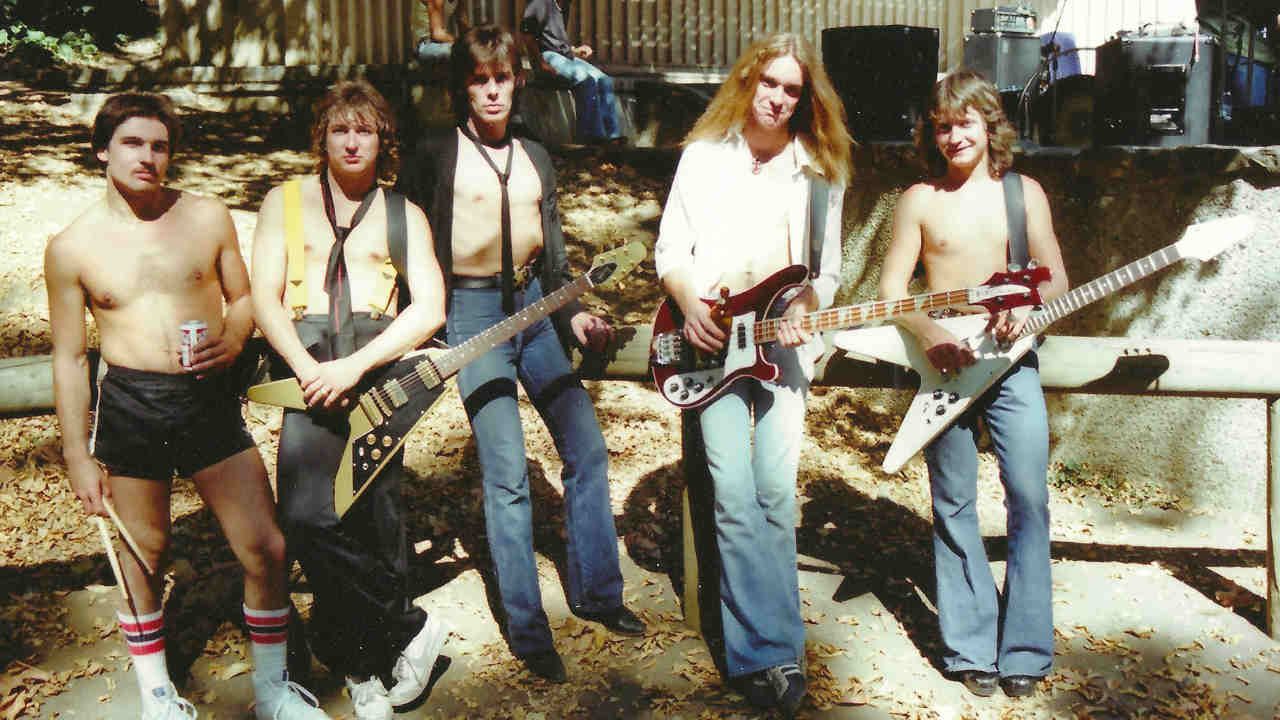
Cliff Burton posing for a photograph with his pre-Metallica band Trauma 

How Ozzfest reinvented metal for the 90s


October 25, 1996 was the day metal stepped back from the edge of oblivion. On that hot Friday, 20,000 people descended on the Blockbuster Desert Sky Pavilion, an outdoor amphitheatre in Phoenix, Arizona, to watch 12 bands give the middle finger to the gatekeepers of cool and prove that a genre that had struggled for mainstream attention during the first half of the decade was not just still relevant but was about to reassert itself like never before.

The bill at the Desert Sky Pavilion combined the old guard and new blood. Slayer and Danzig were mid-90s metal royalty. Below them were Sepultura, Fear Factory, Biohazard and Neurosis, bands who were dragging the scene into an electrifying new era, even if none of them had broken out of its boundaries. On the second stage, the new generation were represented by the likes of Coal Chamber and Powerman 5000, relative unknowns who had yet to make an impact but soon would.

Thursday, November 19, 2026

How Venom made their unholy masterpiece Black Metal and changed the course of metal


Venom’s 1982 album Black Metal is one of the most influential records in history, detonating a chain reaction that would result in thrash, death metal and, of course, black metal itself – even if it was roundly mocked at the time. In 2011, Venom singer and bass-bludgeoner Cronos looked back on the making of a twisted masterpiece.

It may feel like the genesis of heavy metal should have been sparked when a lightning bolt hit a mountain, but in reality, the birth of the song Black Sabbath would not have made for a great fly-on-the-wall documentary. As momentous as this event was, something that happened over a period of several weeks punctuated by many arguments over who was making the next round of brews and interminable conversations over exactly which take of the line ‘Oh, no, no! Please God help me!’ was the most convincingly terrifying and how loud the bell should be in the final mix, would not have made for great cinema.

Sunday, November 1, 2026

The 50 best thrash metal albums ever, from Metallica to Power Trip


It was the abrasive metal sub-genre that shot out of the early 80s like a punch to the gut.

Fast, heavy, and blatantly in-your-face, thrash metal was a fierce antidote to glam metal as well as a big ‘fuck you’ to the conservatism of the Reagan era. Thrash had its roots in myriad influences, from NWOBHM to Motörhead to punk rock, but in the end the sound was all its own, and as the thrash movement grew scenes began to develop around the world from the Bay Area to Brazil.

From the ‘Big Four’ of Slayer, Metallica, Anthrax and Megadeth to the newer crop of thrashers like Evile and Municipal Waste, here are the 50 greatest thrash albums of all time as voted for by Metal Hammer readers.